PlanetJune Craft Blog
Latest news and updates from June

PlanetJune Blog: Latest News, Patterns and Tutorials

Amigurumi Finishing Technique: Needlesculpting

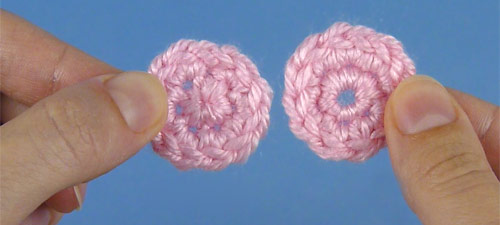
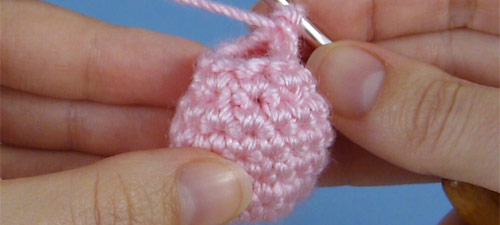
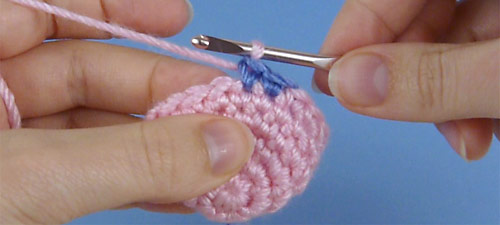
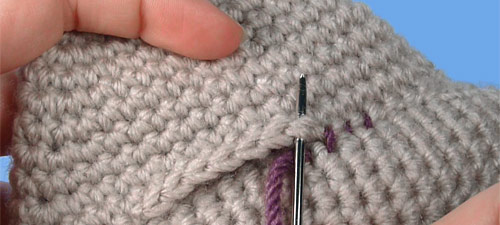
Needlesculpting is a finishing technique you can use to improve the shape of your amigurumi. It uses a yarn needle and length of matching yarn to draw in certain areas of an amigurumi to alter its shape, as with this bulky-necked panda:

needlesculpting in amigurumi - tutorial

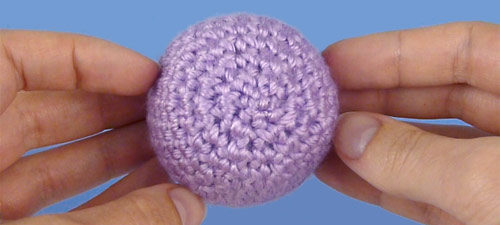
If you’re following a pattern with crocheted shaping built in, you shouldn’t need to do this, but it can be a useful tool to have in your arsenal, if you want to:

  • Fix ‘lost’ shaping: If you’ve crocheted too loosely or been over-generous with your stuffing, and the built-in shaping has been lost.
  • Add extra definition: Exaggerate the shape of your amigurumi.
  • Make easy modifications: Alter the shape of a pattern without modifying the stitches you crochet.

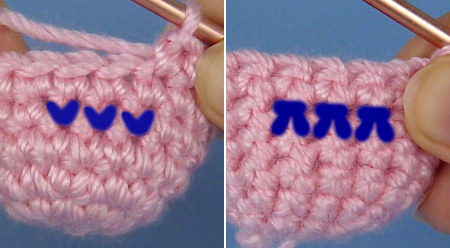
Continue to my tutorial and I’ll show you how to add needlesculpted details to your amigurumi! >>

Comments

sculpting in crochet and other media

While taking a photo of my original crocheted alpaca Alpaca together with my new felted alpaca Alpaca, it occurred to me that I’ve also made several other ‘pairs’ of crochet/non-crochet sculptures over the years!

Here’s my gallery of pairs – can you see the similarities between each pair?
(The names are links to my patterns, in case you’d like to make the crocheted version!)

Crocheted and needlefelted Alpacas (2008 and 2017):

needlefelted alpaca and amigurumi Alpaca crochet pattern, by PlanetJune

…crocheted and needlefelted Guinea Pigs (2007 and 2009):

needlefelted guinea pig and amigurumi Guinea Pig crochet pattern, by PlanetJune

…crocheted and hand-sewn Aardvarks (2011 and 2013):

hand-sewn aardvark and amigurumi Aardvark crochet pattern, by PlanetJune

…crocheted and polymer clay Strawberry Poison Dart Frogs (2010 and 2010):

polymer clay frog, and amigurumi Poison Dart Frog crochet pattern, by PlanetJune

…and crocheted and polymer clay Succulents (2012 and 2011):

polymer clay succulents, and Succulent crochet pattern, by PlanetJune

I think it’s strange and lovely to see the way my PlanetJune style seems to come through, no matter what medium I work in! I really enjoy sculpting, in any medium. Although the process of crocheting is very different from building up clay, fiber, etc, the placement of stitches to form a 3D shape gives amigurumi the added bonus that the finished pieces are more easily replicable than with other crafts.

I’m so glad that crochet lends itself to patterns – it’d be much more difficult to explain how to sculpt an animal or plant from clay or fibre without being able to quantify the instructions with specific stitches in specific places. If I hadn’t found amigurumi, I’d still be making nature-inspired sculptures, but I don’t think I’d be able to make my living from them!

I work far too slowly to be an ‘artist’ and sell my finished pieces, but I feel like my patterns are a way to share my designs in a way that I couldn’t easily do if I switched to a different medium, and I love that my patterns give me a way to help other people to craft their own soft sculptures too! ♥

Comments (3)

needlefelted alpaca

A long weekend makes the perfect opportunity to start a new craft project. I’ve been dying to do something with the alpaca fleece I bought from my Alpaca Loom trip a couple of weeks ago, and I thought a suitable first project would be to try needlefelting an alpaca (fibre) Alpaca (animal) – and I’m so happy with how it turned out!

needlefelted alpaca by planetjune

I’ve needlefelted only once before, and reading my previous blog post, I see that was almost exactly 9 years ago(!), so I think that qualifies me as an absolute beginner again…

If you’d like to try needlefelting (particularly to make animals), I recommend the video tutorials at Sarafina Fiber Art. After watching a few hours of those, I felt ready to jump in and just learn by doing. My fleece was a lot shorter than the roving Sara uses, so my learning curve was a bit steeper than I was expecting, but I got there in the end. And, after maybe 5 hours of very slow but enjoyable progress, here’s what I ended up with:

needlefelted alpaca by planetjune

I started with a pipe cleaner armature for stability and used animal eyes (without the backs), but everything else is pure alpaca fleece. I tried to loosely attach a top layer to make it look more fuzzy, and added a little fluffy topknot as a finishing touch.

needlefelted alpaca by planetjune

I’m very much still a beginner, but it’s so satisfying to see the animal slowly start to take shape, and there’s something extra-special about knowing you’re making an animal sculpture from that animal’s own fibre.

I only used a tiny fraction of my fleece, and I can already see I’m going to making more needlefelted animals, when I have time. (I also have some acrylic needlefelting fibre – thanks Alison! – that I’ve been scared to waste, so I’m looking forward to trying some more colourful animal sculptures once I’ve built a bit more confidence with the basic shaping techniques.)

It’s very freeing to make things in a different way from my usual crochet, where I can build up layers if it’s not quite right, and not have to worry about how to explain what I did to anyone. It’s good to have a new hobby 🙂
Have you ever tried needlefelting? Isn’t it fun?

Comments (7)

Commissions update: 5 years

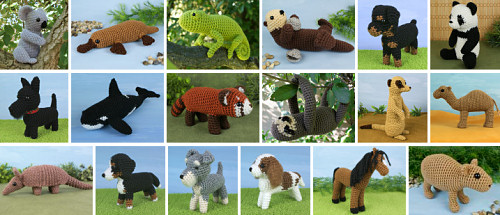
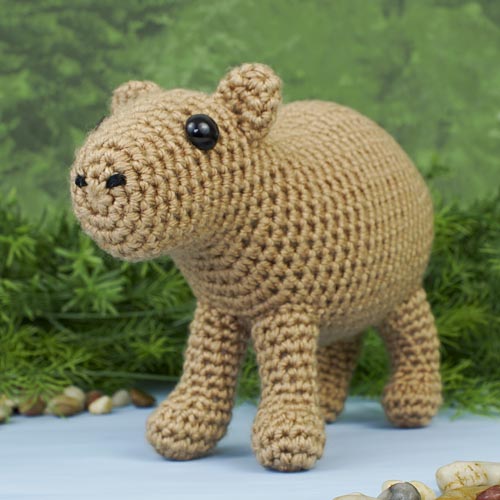
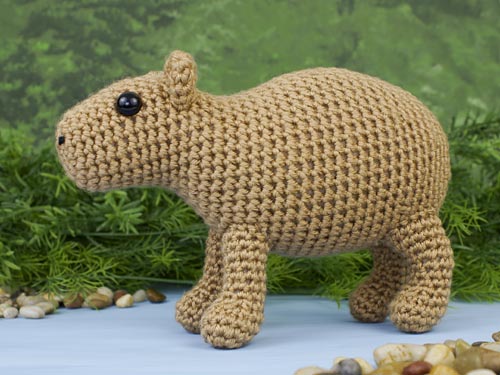
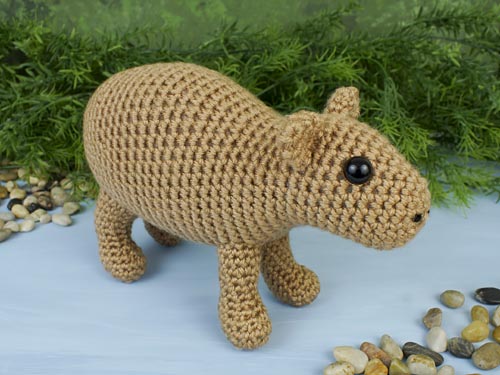
The first cycle of the new and improved PlanetJune Commissions system is complete, with the completion of my Capybara pattern. (That takes my total to 18 commissioned designs in 5 years!)

PlanetJune commissioned crochet patterns: 18 designs in 5 years

The system is much more efficient now: you can manage all your pledges from within your PlanetJune account, and each new commissioned pattern is now automatically added to all the pledgers’ PlanetJune accounts when it’s ready.

I’ve also made a few customer-suggested improvements, going forwards…

Pattern Exclusivity Window

From now on, I’ve introduced a 2 week exclusivity window for the pledgers of a new commission before the pattern is available to the public, as an added ‘thank you’ to those who pledged towards the commission.

Capybara crochet pattern - exclusive to pledgers for now!

(If you didn’t pledge towards the Capybara and would like the pattern, sign up for my monthly newsletter if you’d like notification when the pattern is ready to purchase! I’ll also be blogging details about the pattern and sharing some Capybara fun facts at that time…)

New Progress Chart

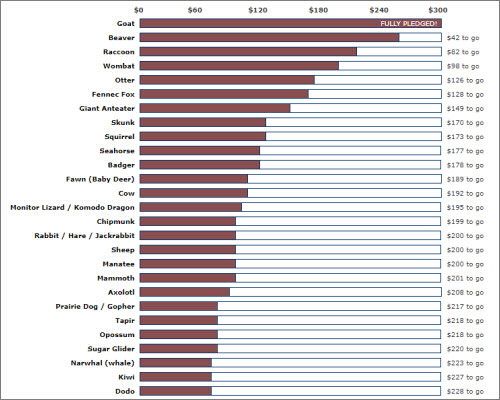
I’ve refreshed the main Commissions page by reordering the progress chart by amount pledged. Now it’s easier to see which of your favourites are closer to being fully pledged and could do with a top-up:

new commissions options

New Animal Options

I’ve replaced all the animal options that were less than 25% funded with new options. (The retired animals aren’t necessarily gone forever, but they’ve all been there for a long time and received little interest, so it’s time to give some different animals a chance without making the list ridiculously long.) Here are the new options:

new commissions options
Bilby, Dodo, Kiwi, Numbat, Pangolin, Pot-Bellied Pig, Puffin, Tasmanian Devil, Tortoise (Giant, Galapagos), Tortoise (Small, Pet), Tuatara

Which of these would you like to see made into a PlanetJune crochet pattern? The most popular so far have been the Kiwi and Dodo, but it’s early days yet, so get pledging for your favourites of the new additions!

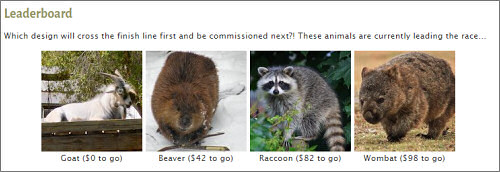
My next commissions timeslot will begin at the end of May, and I’ll be starting work on my Goat design then, as it’s already fully-funded. But I wonder if the following commission will be one of the current front-runners, or one of the new additions? That’s up to you 😉

Comments (3)

Alpaca Loom farm visit

At the weekend Dave and I took a trip to Alpaca Loom, a local working fibre farm near Paarl, with a herd of hundreds of alpacas (and a few rogue llamas, camels, horses and donkeys in the mix too!)

We got to handfeed the beautiful alpacas and see all the adorable newborn crias (babies) playing. There’s nothing like looking into an alpaca’s huge dark eyes and feeling its hot breath on your hand as it delicately snuffles up grains with its soft mouth…

June handfeeding an alpaca

At the Alpaca Loom, they process the alpaca fibre from start to finish on site in the traditional way, from shearing, to hand-spinning the fibre into yarn, to weaving the yarn into fabric using floor and table looms.

Take a look at a few more of my photos in the gallery below:

I also couldn’t resist buying some (unprocessed) silky soft fine alpaca fleece for… spinning? needlefelting? art weaving? I’m not sure yet, but I’m looking forward to making something with this gorgeous fibre – you can definitely expect some alpaca-fibre craft posts from me in the coming months 🙂

And, if you’d like to make your own gorgeous Alpaca, try my bestselling Alpaca crochet pattern! (I made my dark brown alpaca with real alpaca yarn and it’s so soft and snuggly!)

alpaca crochet pattern by planetjune

Comments

free crochet pattern: Carnations

It’s Donationware time again! Put a smile on someone’s face with my new Carnations pattern:

Carnations crochet pattern by PlanetJune

Beautiful, realistic, and so easy, you can crochet a pretty one-piece carnation in minutes – and I bet you won’t be able to stop at one!

Carnations crochet pattern by PlanetJune

Here are some ideas for use:

  • Use the optional stem instructions to create a bouquet or vase of carnations
  • Stitch a pin to the back of a carnation to make a pretty brooch or buttonhole
  • Accessorize a bag by sewing on a couple of carnations
  • Sew or glue one or more carnations to a hair clip or plastic hairband

As I like to reward people who chose to donate for my donationware patterns, the PDF version of this pattern includes additional assembly photos and a special technique for fastening off the yarn neatly at the base of the stem. As always, the pattern is free for you to use, and you need only donate if you’d like to thank me for my time in creating it, or if you’d like the easy-to-print PDF version.

Carnations crochet pattern by PlanetJune

I hope you enjoy my pretty Carnations pattern!

Go to the Carnations pattern >>

Comments (1)

Tracking Customer Queries in your Craft Business

It’s been three years since I started logging my customer support requests, or, more accurately, questions, comments and suggestions that ask for a response from PlanetJune.

I’ve recorded almost 2300 interactions, and now I have three full years of data, I can do a comparative analysis and see if the ‘improvements’ I’ve been making to PlanetJune have actually been making a difference to my workload!

(If you run your own business and don’t already track your customer interactions, you’ll definitely want to read on to see how tracking this info has helped me…)

The Numbers

The number of support requests I’ve received overall has dropped slightly each year (from 788 to 757 to 735) – that’s almost a 7% drop since I first started logging requests.

(But that doesn’t show the whole picture: during that time I’ve increased my sales significantly without any sign of a corresponding increase in the volume of customer support. If the same proportion of my customers had a question for me now, I’d expect to see well over 1000 queries per year by now, so a small drop actually represents a big win!)

I’ll give you some more details below, with the overall percentage first, followed by a breakdown by year, from three years ago to today: (Year 1, Year 2, Year 3), so you can see any trends over time.

Sources

69% (70%, 69%, 65%) of support requests come directly through PlanetJune (email, blog comment, shop message form).

The other 31% (30%, 31%, 35%) comes through Ravelry, Etsy, social media, YouTube, etc.

Type of Support Requests

17% (12%, 20%, 19%) are Etsy-related.

16% (20%, 16%, 14%) are for technical support.

14% (13%, 13%, 16%) are for general crochet/craft support or requests for help with another designer’s pattern. [I only log these requests when I respond to them, so this number is far smaller than the actual number of questions I receive.]

13% (13%, 14%, 12%) are for pattern support (pre- and post-sale).

10% (13%, 12%, 8%) are for account administration.

6% (7%, 5%, 5%) are suggestions for new content (patterns and tutorials).

6% (5%, 6%, 7%) are requests for items I don’t sell (finished items, patterns for art pieces, translations).

5% (3%, 5%, 6%) are navigation related (where to find a certain pattern/tutorial).

The remaining 13% covers a miscellany of different subjects, ranging from requests from the media and offers to write books, to notices of my patterns being copied or pirated.

Improving Systems

My goal when I started tracking these numbers was to see where I can make improvements to streamline my business by:

  • Reducing customer questions and building my FAQ so people don’t need to contact me for help
  • Setting up canned responses for common questions so I can minimise the time I spend answering the remaining questions

I’ve improved several systems during these three years, and I’m happy to see that those are having a clear effect: despite having more customers, I see fewer tech support and account admin questions each year, as I keep trying to make every step easier to understand.

There’s still room for improvement; for example, I’m seeing more people every year contact me to ask for the link to a specific pattern in my shop. I don’t know why this is, but perhaps there’s a way I could make it more obvious how a customer can find the answer without contacting me.

The Etsy Factor

The biggest barrier to my success in reducing queries is the customer support burden from Etsy, and I know exactly why that is: people on PlanetJune.com generally know where they are and what they’re buying, but many shoppers on Etsy see a pretty photo and hit ‘buy’ without reading the title or description, leading to a lot of misunderstanding about:

  1. What they’re buying (yep, it’s a downloadable PDF pattern, not a completed toy for $5 with free shipping!)
  2. How they’ll receive it (clearly stated in both the item description and in the ‘note from seller’ that’s sent with every order, but many Etsy shoppers don’t read any of that)

I see this as a part of my cost of using Etsy – not just in terms of the tangible cost of the Etsy fees, but the time cost of dealing with customer questions and misunderstandings. Despite this, Etsy remains a valuable funnel for new customers to find me (and then, hopefully, to buy directly from PlanetJune in future) so the fees and time are worthwhile expenses.

Even though my sales through Etsy make up only a small percentage of my income – and a much larger fraction of my customer support interactions – not having a presence on Etsy would be a mistake, as many potential customers only think to look for crochet patterns on Etsy and would never find me in the first place if I didn’t show up in the Etsy search results.

And, although the numbers are high, the misunderstandings are the same things over and over again: people not realising what they’ve bought or how/when they’ll receive it, so I’ve set up standard responses that make dealing with these questions very fast.

Verdict: Is Tracking Queries Worthwhile?

If you run a small and growing business, I’d definitely recommend tracking your customer support requests. It’ll give you a clear picture of support areas you may be able to improve, and the data to be able to provide the answers to questions on your website so your customers don’t need to contact you.

If you’re planning for the future of your business, being able to calculate whether you can expect to be overrun with customer support as your business grows, or whether this is an area you can continue to manage yourself, is critical. Might you need to hire a customer service manager at some point? Or will your systems be able to keep your admin workload in check?

For me, for the time being at least, the answer as shown from my analysis is encouraging. I’ve created a solid foundation for a long-term manageable business, but I’ll keep tracking requests so I can monitor my workload and keep looking for areas where I can tweak my systems to improve the PlanetJune experience for all my visitors.

Comments (3)

Mini Mammals 2 Expansion Pack crochet pattern

Mini Mammals crochet pattern by PlanetJune - crochet an adorable Sengi, Jerboa and Mouse

There’s a little story behind this Expansion Pack. When I originally came up with the idea for Mini Mammals, I had 6 species planned. I didn’t think anyone would want a huge set of six, though, so I chose Sengi, Jerboa and Mouse for my set, but as soon as I released the pattern, I had requests for all of the other three I’d left out!

Now, if that’s not a sign, I don’t know what is…

So here’s Mini Mammals 2: an Expansion Pack for my Mini Mammals pattern. It includes all the modifications you need to convert your Mini Mammals into a Hamster, Gerbil or Kangaroo Rat.

Mini Mammals 2 crochet expansion pack pattern by PlanetJune - crochet an adorable Hamster, Gerbil and Kangaroo Rat

Meet the newest Mini Mammals!

Hamster:
Mini Mammals 2 crochet expansion pack by PlanetJune - Hamster

  • Hamsters are crepuscular seed-eating rodents (crepuscular means they are most active around dawn and dusk).
  • There are many species of hamster, but the most common domesticated type is the Syrian (Golden) Hamster.
  • Hamsters hoard food and have expandable cheek pouches inside their mouths so they can carry food to store.
  • Wild Syrian Hamsters hibernate during the winter, but pet hamsters won’t hibernate (unless they get too cold!)

Gerbil:

Mini Mammals 2 crochet expansion pack by PlanetJune - Gerbil

  • Gerbils are burrowing seed-eating rodents from the deserts of Asia and Africa.
  • There are over 100 species of gerbil, but the most common domesticated type is the Mongolian Gerbil.
  • Gerbils are highly social animals and need to be kept in pairs or groups.
  • They are diurnal (active in the daytime) and love to dig tunnels.

Kangaroo Rat:
Mini Mammals 2 crochet expansion pack by PlanetJune - Kangaroo Rat

  • Kangaroo Rats are seed-eating rodents from the deserts of North America.
  • Like Jerboas, they hop along on their long back legs, using their long tails for balance.
  • They get all the moisture they need from seeds, and can survive without drinking any water.
  • Kangaroo Rats harvest seeds by collecting them in their pouches and storing them in caches for times when there is no other food available.
  • Unlike Hamsters, though, Kangaroo Rat cheek pouches are fur-lined and are located outside their mouths!

Mini Mammals 2 crochet pattern by PlanetJune

What is an Expansion Pack?

Expansion Packs by PlanetJune

  • An Expansion Pack is an add-on to an existing PlanetJune pattern.
  • The Expansion Pack lets you modify or add to the original pattern to create something else.
  • You cannot use the Expansion Pack alone – you must also purchase the original pattern in order to be able to complete the pictured items in the Expansion Pack pattern.

You can buy the Mini Mammals 2 Expansion Pack for only $3.50 individually from the shop, or, if you haven’t yet bought the original Mini Mammals pattern, you can buy the multipack of both sets, and save 50c on the pair.

Launch Discount

If you’ve already bought the original Mini Mammals set, you won’t be able to save that 50c. But, for 7 days only, add the Mini Mammals 2 Expansion Pack pattern to your shopping cart, together with anything else (totalling $5 or more), then use the code SQUEAK at checkout and you’ll still get your discount! (Valid until next Wednesday: 22nd March 2017.)

Note: If you don’t need anything else right now, this also applies to Gift Certificate purchases, so you can pick up a $5 gift certificate now, get your discount, and have $5 in your PlanetJune account ready for your next purchase, or to send to a crocheting friend!


Aww, a family portrait! Don’t they look super-cute all together like this?

Mini Mammals 1 & 2 crochet patterns by PlanetJune
Clockwise from bottom left: Sengi, Jerboa, Mouse, Kangaroo Rat, Hamster, Gerbil

If you’re not ready to buy just yet, please remember to heart or queue them on Ravelry so you don’t forget about them!

Mini Mammals:

Mini Mammals 2:

Comments (2)

    navigation: arrow

    buy crochet patterns and accessories from my online store

    'Everyday Crochet' and 'The Essential Guide to Amigurumi' crochet books by June Gilbank

    Crochet video tutorials and step-by-step photo tutorials

    Free PlanetJune crochet patterns

    Frequently Asked Questions

    navigation: arrow

    Punchneedle Embroidery information, ebook & patterns

    Papercraft ebook & tutorials

    Free PlanetJune craft projects & tutorials

    Ravellenic Games: Team PlanetJune
    PlanetJune Reindeer Games
    PlanetJune Temperature Snake CAL

    June Gilbank

    Hi, I'm June. Welcome to my world of nature-inspired crochet and crafting. I hope you enjoy your visit!

    If you'd like to get in touch, you can contact me here.
    crocheted Canadian flag by PlanetJune
    Proudly made in Canada!
    A fanned-out pile of the books Everyday Crochet and The Essential Guide to Amigurumi, with text 'The answers to all your crochet questions at your fingertips - find out more'

    Want to say thanks? You can send me money in seconds at paypal.me/planetjune (over $20) or paypal.me/planetjune2 (under $20) or send me a donation through my shop.

    Or simply click through from my links before you shop at Amazon, Etsy, KnitPicks, LoveCrafts and more, and I'll make a small commission on your purchase, at no cost to you! Start here:

    ♥ Support PlanetJune ♥

    Tip: This link is also in the footer of every page!

    Thank you so much for your support!